Documentales para cine y televisión Documentary films for cinema and television
Donde otros ven una tragedia por un desastre natural, nosotras vemos el rescate como una película de acción; en una masacre, una película de terror; en un feminicidio, un misterio; en la política global actual, una tragicomedia y en una enfermedad crónica, una historia de amor. Así, logramos que historias que parecían pequeñas o tediosas se vuelvan imposibles de ignorar y que la realidad actual se vuelva un espectáculo que nos convoca y nos hace pensar.
Para esto, desarrollamos y producimos contenidos documentales en distintos formatos, de alto impacto social, con excelencia narrativa y cinematográfica, integrando rigor investigativo y entretenimiento. En Latitudes, tendemos puentes entre ONGs y la industria del cine, para convertir historias de la realidad latinoamericana actual en películas, series y programas capaces de emocionar a grandes audiencias y de transformar la mirada que tienen del mundo.
Where others see a tragedy caused by a natural disaster, we see the rescue as an action film; in a massacre, a horror film; in a femicide, a mystery; in today's global politics, a tragicomedy; and in a chronic illness, a love story. That is how we make stories that seemed small or tedious impossible to ignore, and turn the present into a spectacle that draws us in and makes us think.
To do this, we develop and produce documentary content in different formats, with high social impact and narrative and cinematic excellence, combining investigative rigor with entertainment. At Latitudes, we build bridges between NGOs and the film industry, turning stories from Latin America's present into films, series and programs capable of moving large audiences and transforming the way they see the world.
Daughters of the EarthHijas de la Tierra
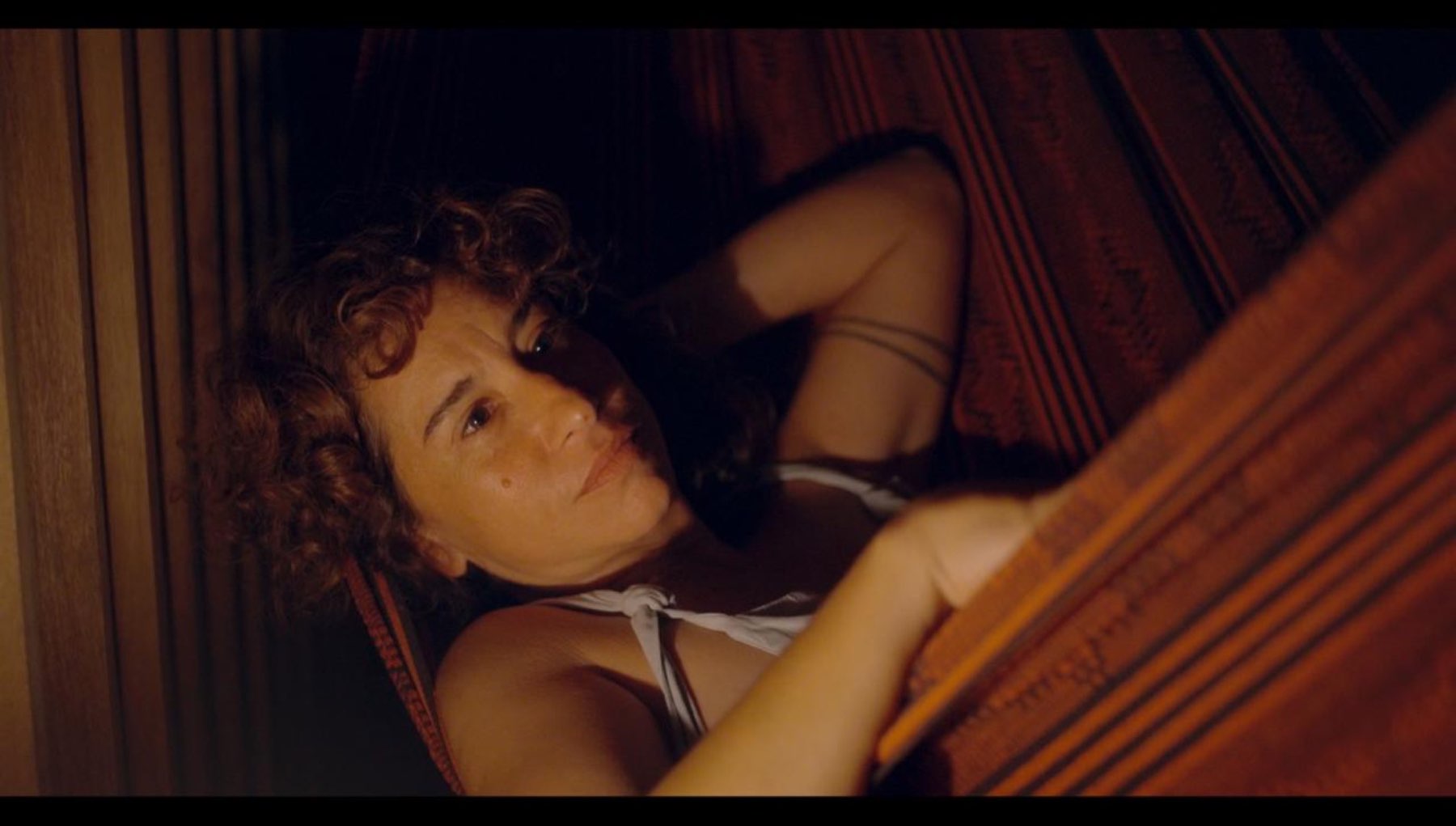
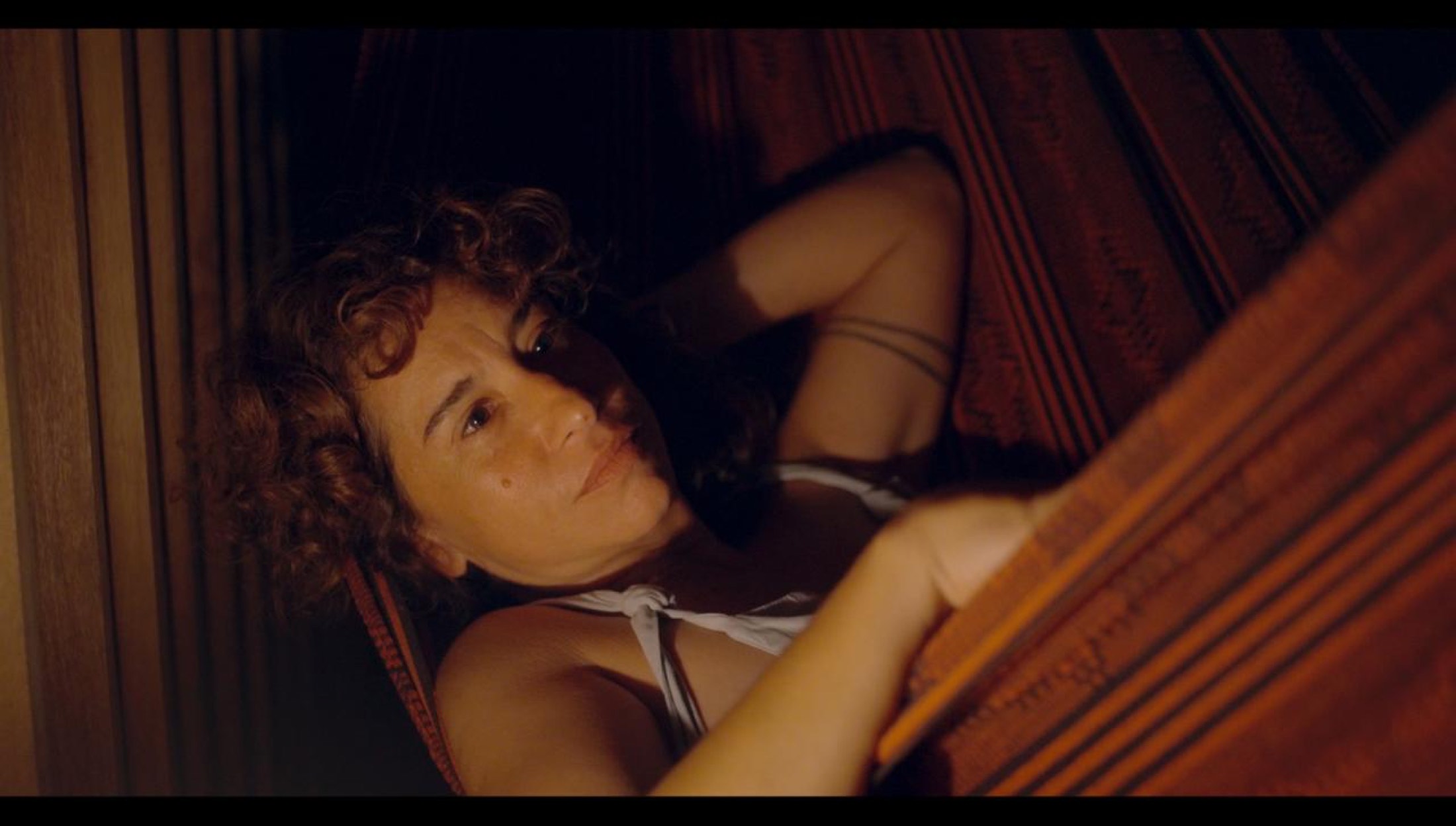
Este proyecto documental nace de una pregunta que debería ser urgente y que, sin embargo, seguimos evitando: ¿cómo queremos morir? En Colombia, un país donde la muerte digna es un derecho reconocido, proponemos un relato audiovisual que abra la conversación sobre la libertad de decidir el final de la propia vida, porque tarde o temprano todas las personas atravesaremos esa experiencia —también usted, estimado lector.
This documentary project is born from a question that should be urgent, and yet one we keep avoiding: how do we want to die? In Colombia, a country where the right to die with dignity is legally recognized, we propose an audiovisual story that opens up the conversation about the freedom to decide the end of one's own life, because sooner or later everyone will go through this experience — including you, dear reader.
Seven Corpses and a Bengal TigerSiete cadáveres y un tigre de Bengala
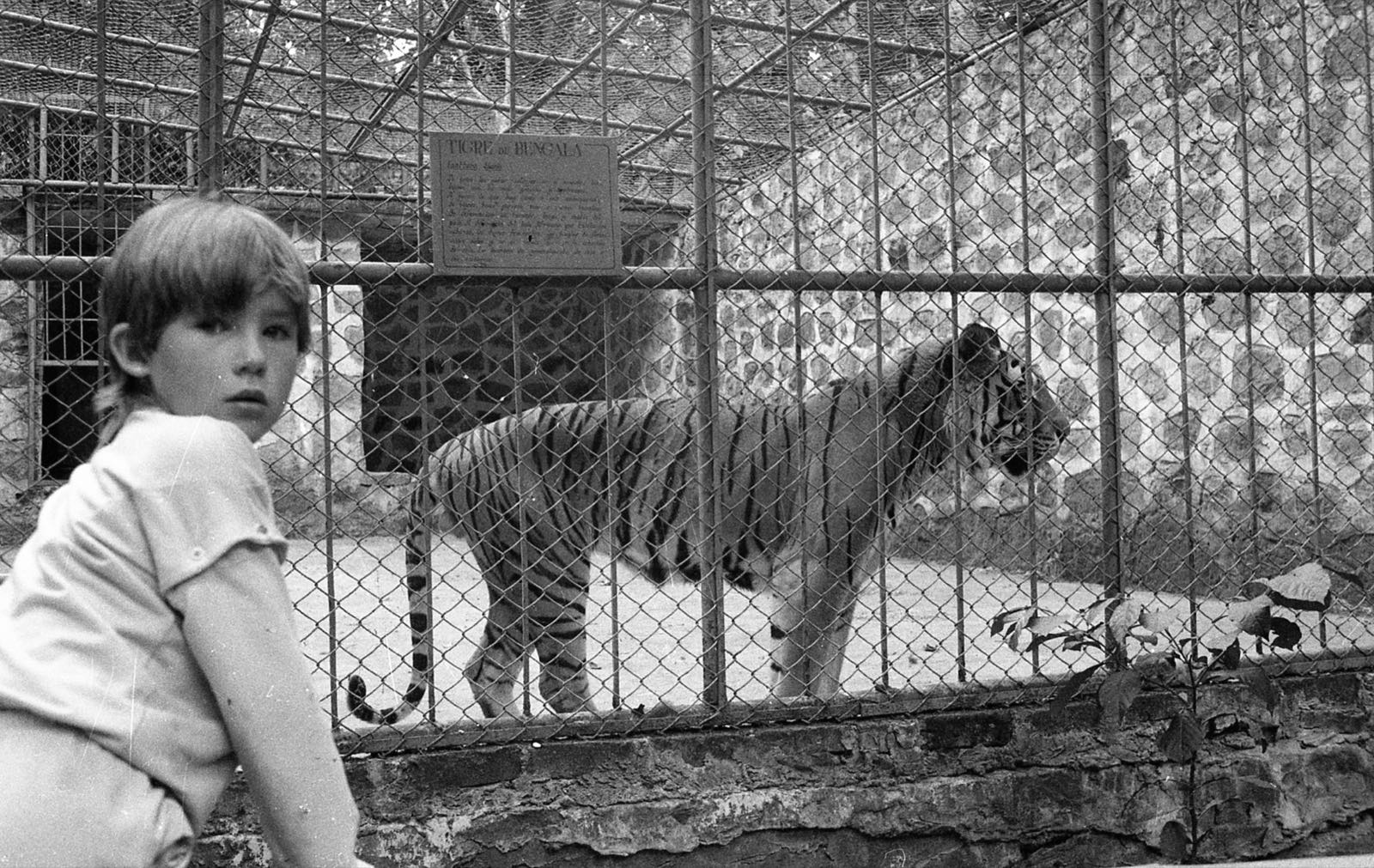
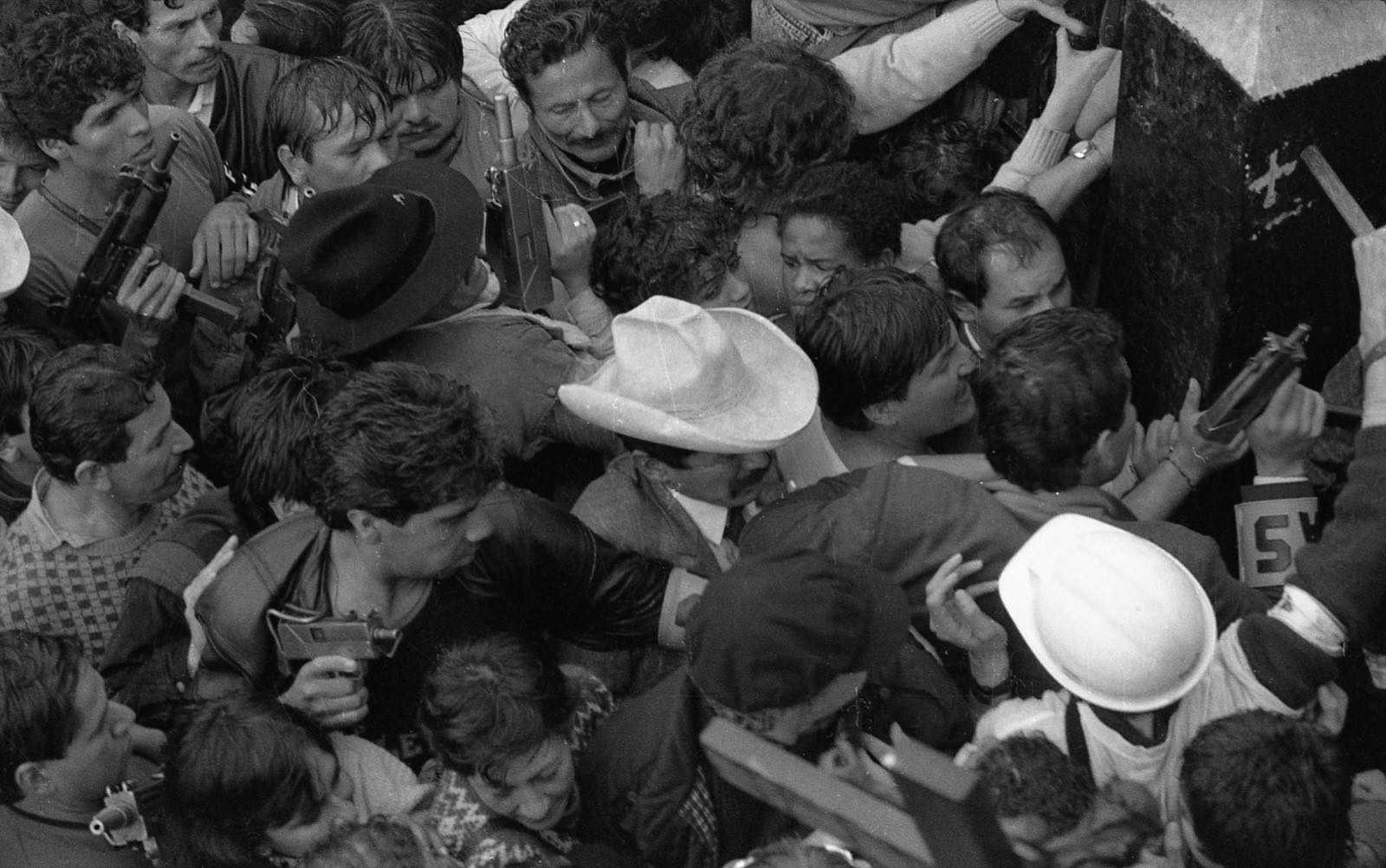
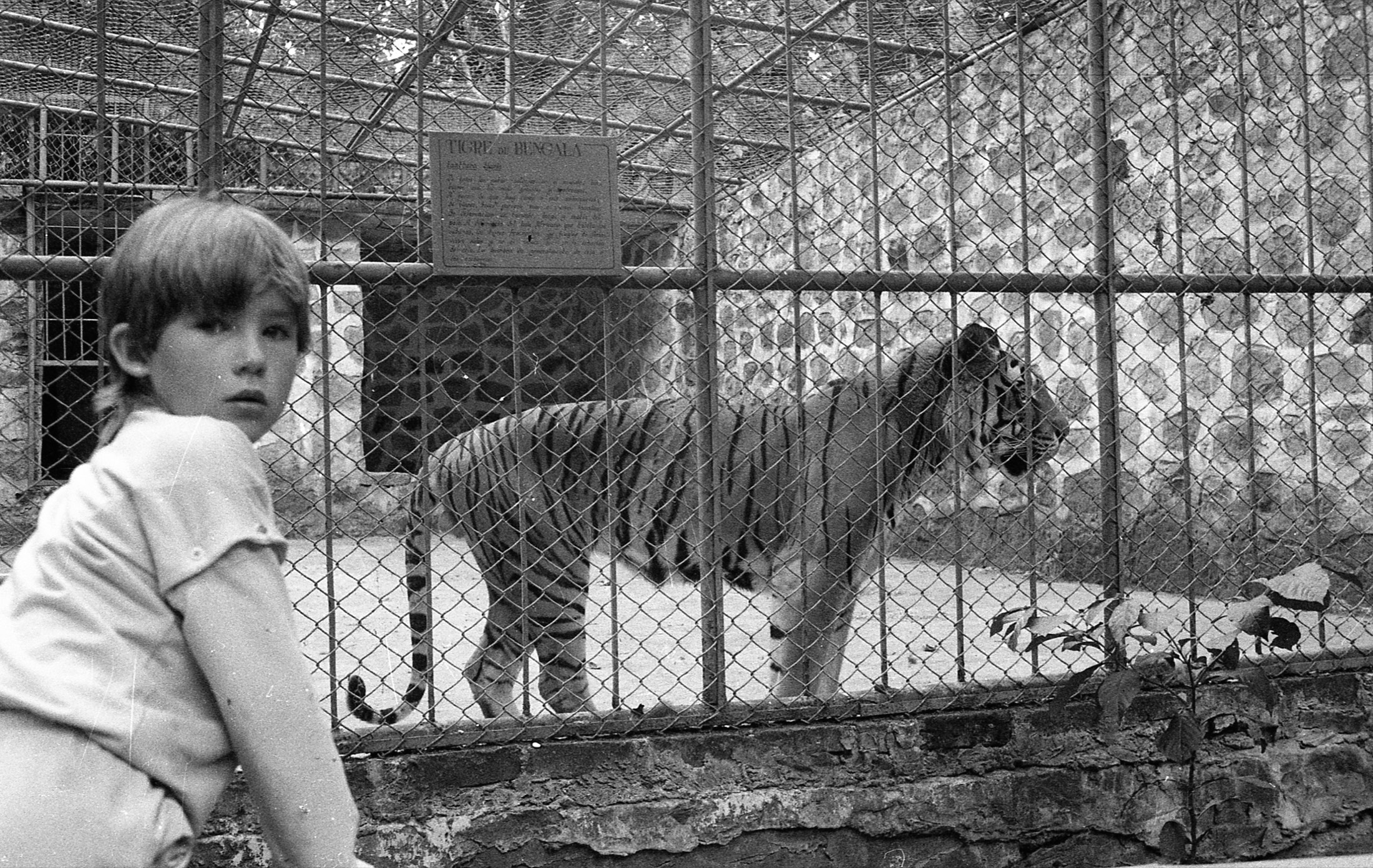
Hoy a mis 40 años vuelvo a juntarme con mi papá en la finca donde vive. Abro el baúl de sus fotografías y le propongo que las veamos. Cada rollo incluye algún momento icónico de la violencia de los ochenta en Colombia y en varios también estoy yo, resumiendo mi infancia entre sus imágenes. Entre tantos muertos mi papá se confunde con los funerales de políticos de izquierda y derecha. Este recorrido revela que tanto las búsquedas como los sueños se heredan.
Today, at forty, I sit down again with my father at the farm where he lives. I open the trunk of his photographs and suggest we look through them together. Each roll of film holds some iconic moment of Colombia's violence in the eighties, and in several of them I'm there too, my childhood folded in among his images. Among so many dead, my father mixes up the funerals of leftist and rightist politicians. This journey reveals that both the searching and the dreams are inherited.
Breaking the MoldRomper el molde
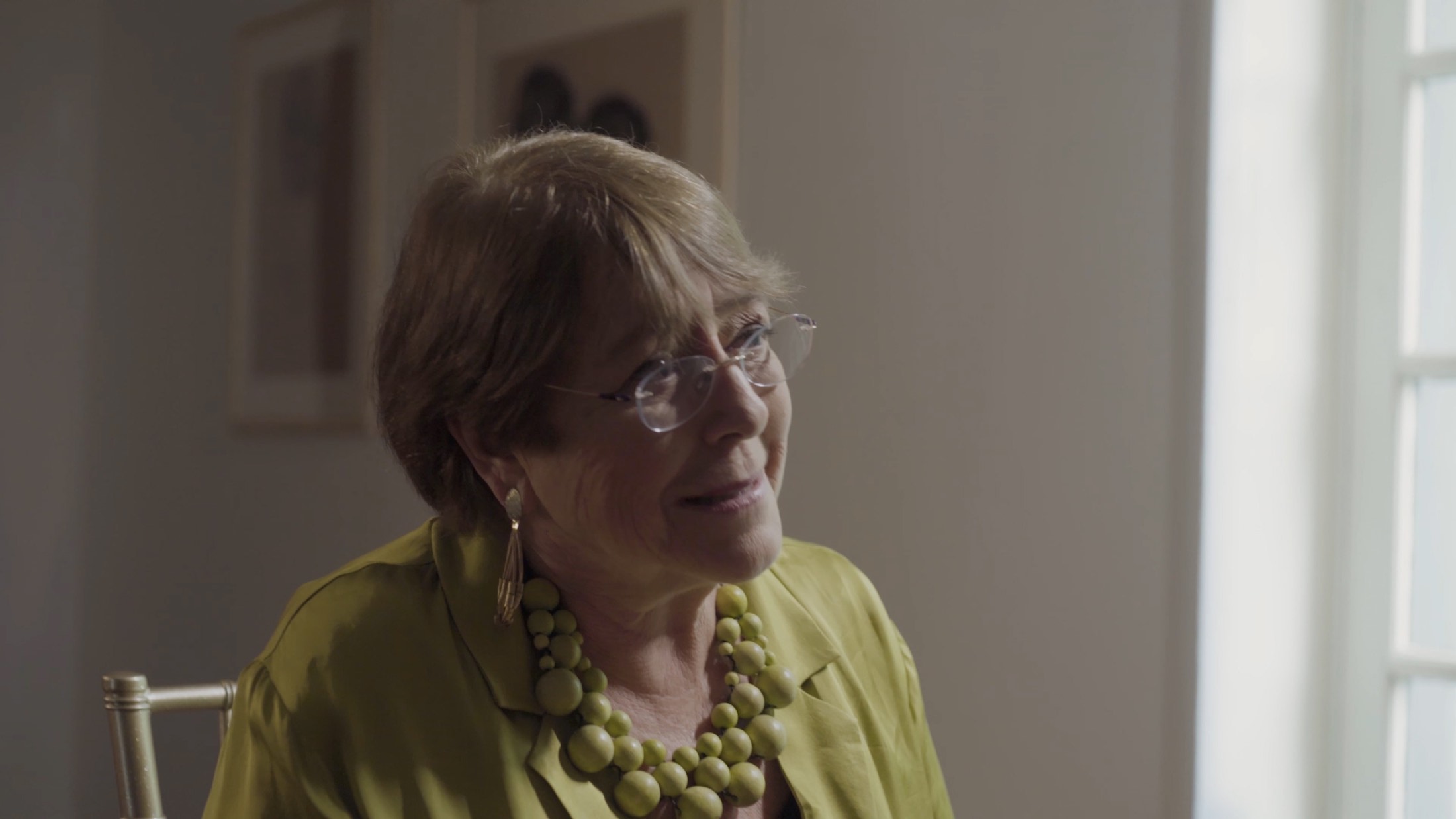
Michelle Bachelet cuenta que una vez una chica joven le dijo que no quería que la sentaran en la mesa, sino que le preguntaran de qué forma quería que fuera esa mesa. Una expresidenta —Laura Chinchilla— siempre supo que si algo salía mal, no dirían «falló Laura Chinchilla» sino «falló una mujer».
Michelle Bachelet recalls that a young woman once told her she didn't want to be given a seat at the table — she wanted to be asked what shape that table should take. A former president — Laura Chinchilla — always knew that if something went wrong, they wouldn't say "Laura Chinchilla failed," they'd say "a woman failed."
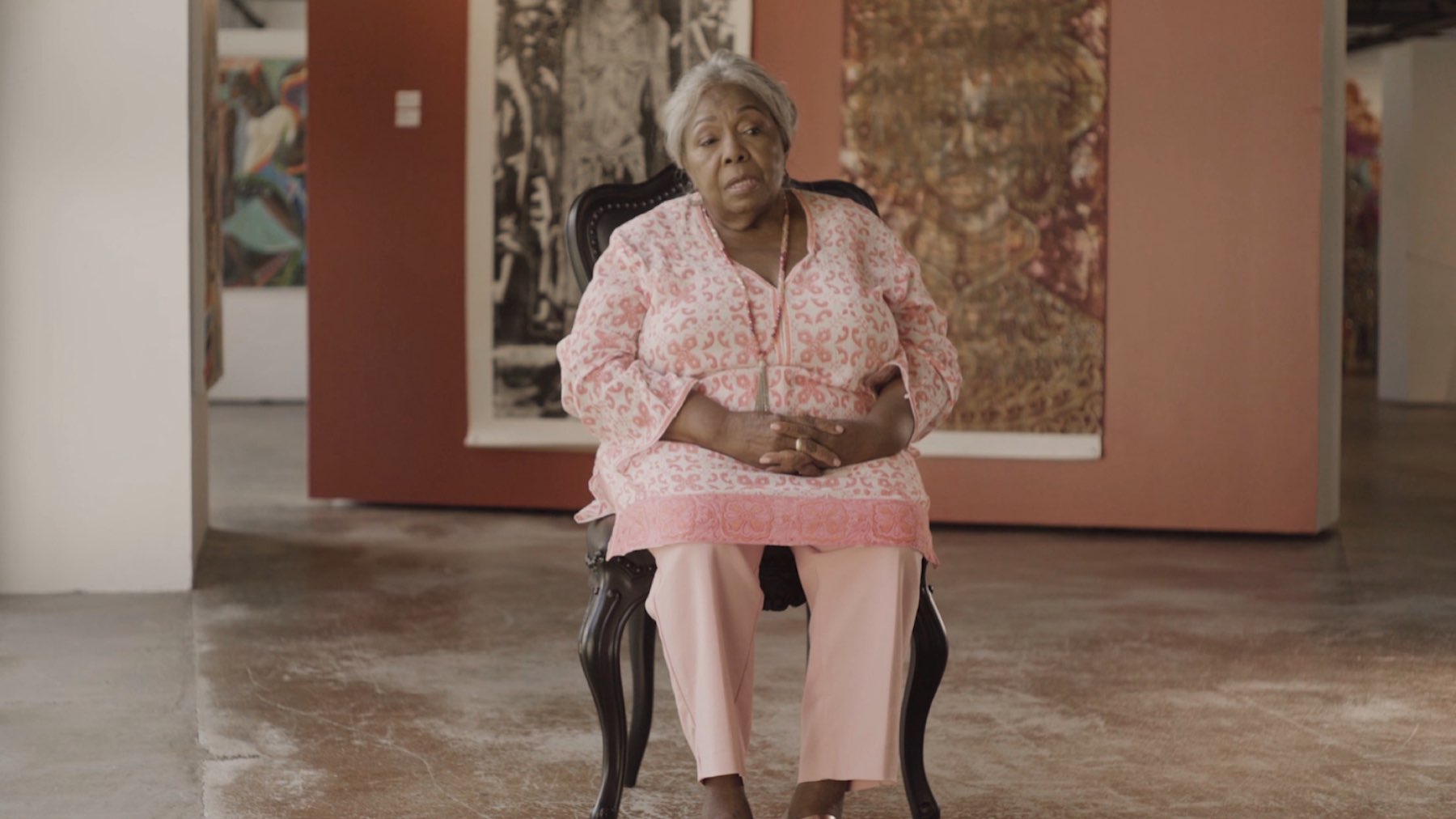
El video reúne estos testimonios —de Costa Rica a Chile, de Ecuador a Bahamas— de mujeres que ya llegaron al poder y explican, desde su propia experiencia, por qué importa que más mujeres lleguen al poder: para transformarlo.
The film brings together these testimonies —from Costa Rica to Chile, from Ecuador to the Bahamas— of women who have already reached power, explaining, from their own experience, why it matters that more women get there too: to transform it.
DocumentalDocumentary
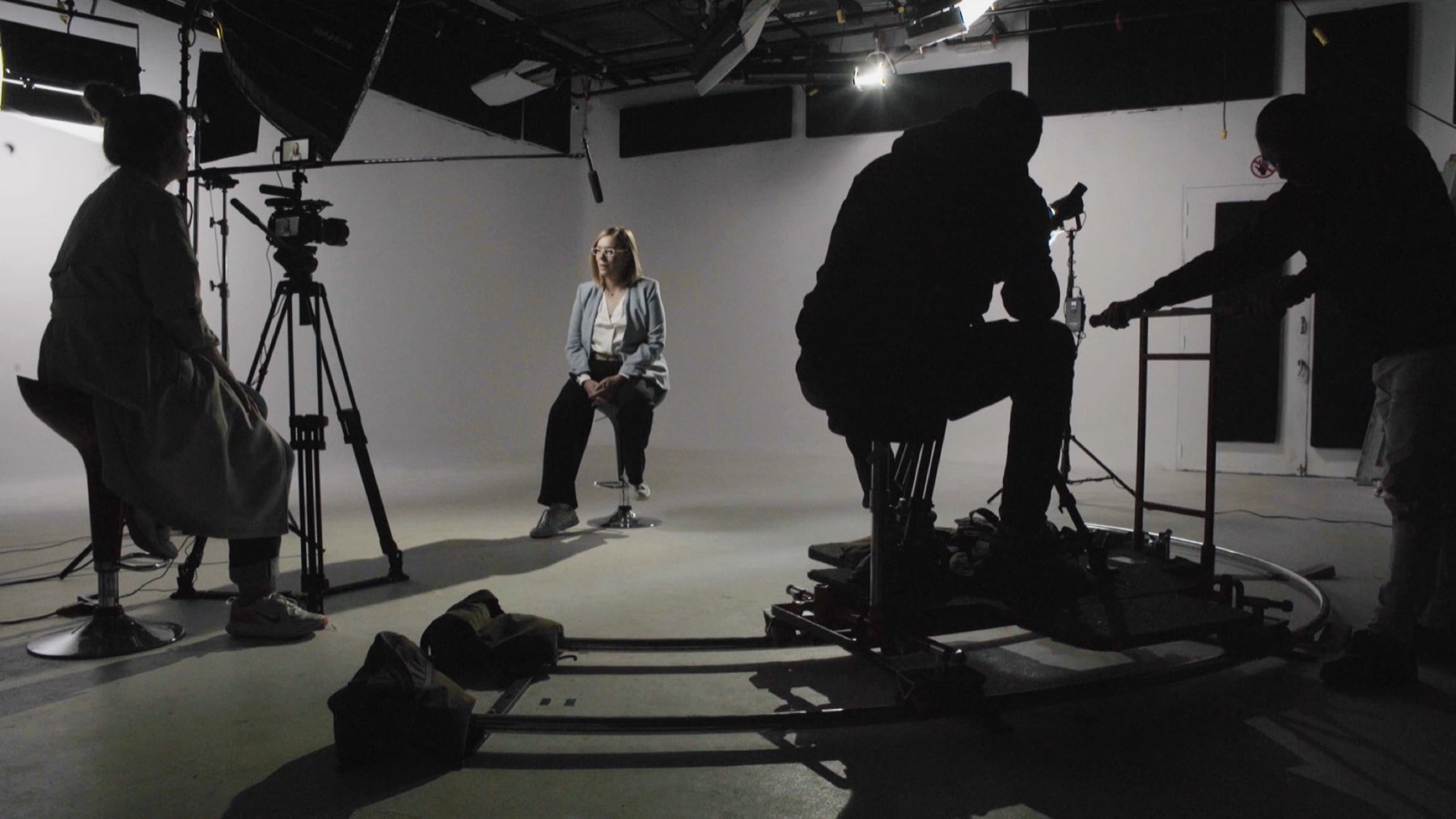
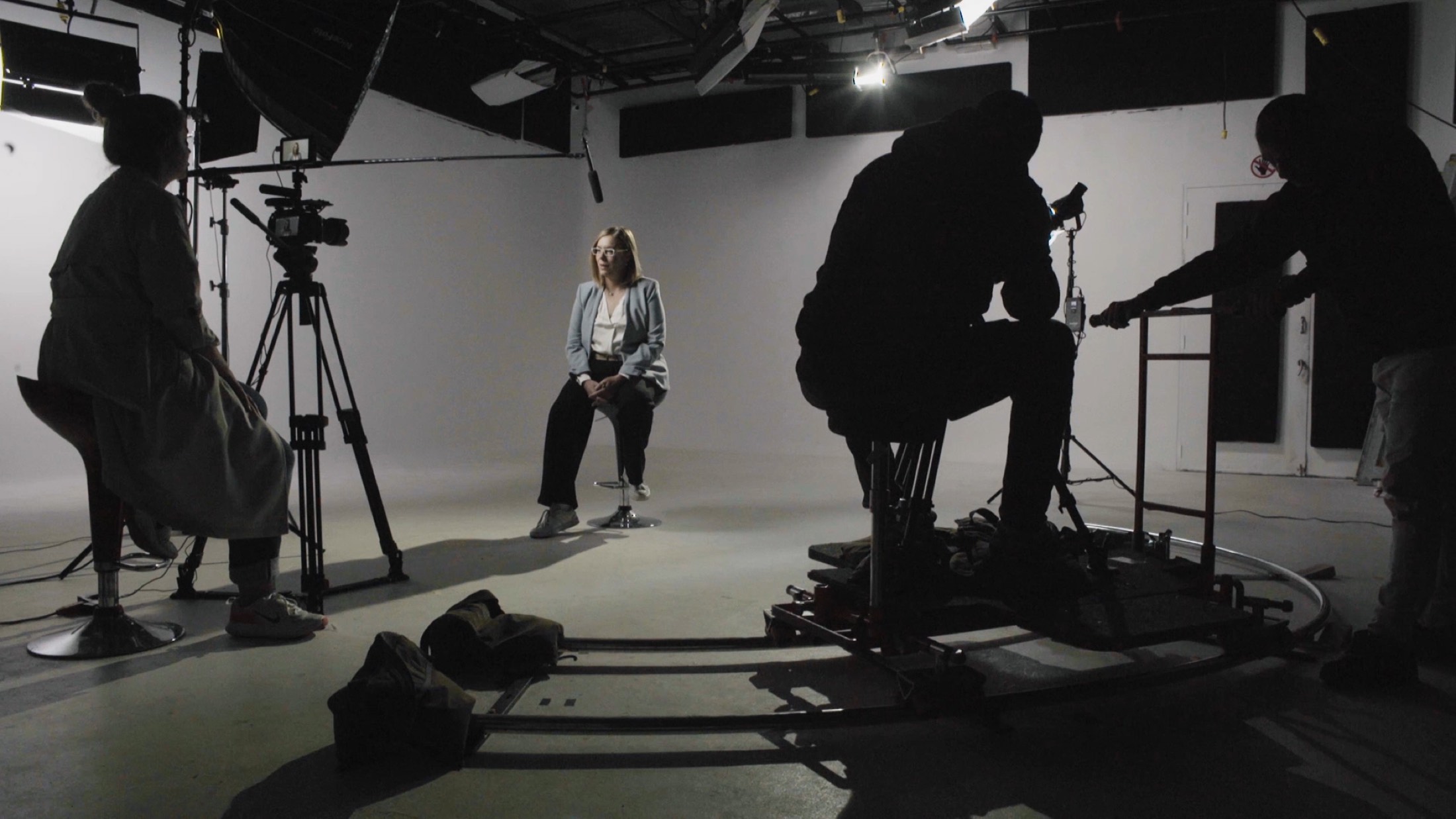
El documental reúne las voces de mujeres que han participado en procesos de paz, respondiendo, una tras otra, la misma pregunta: ¿por qué deben estar las mujeres en cualquier mesa de negociación? Cada una aporta una razón distinta a la anterior, hasta que, al final, todas se funden en una sola: nos sobran las razones.
The documentary brings together the voices of women who have taken part in peace processes, each answering, one after another, the same question: why should women have a seat at any negotiating table? Each one offers a reason different from the last, until, in the end, they all merge into one: we have more than enough reasons.